How to Properly Use a Drive Rollator Walker for Maximum Safety
For anyone looking to improve mobility without sacrificing stability, the drive rollator walker is one of the most reliable mobility aids available today. Rollators offer freedom, balance, and confidence—but only when used correctly. Whether you're new to using a rollator or helping a loved one get started, understanding proper use is essential for maximum safety and comfortable daily movement.
This guide breaks down everything you need to know: setup, posture, walking techniques, sitting safely, and common mistakes to avoid.
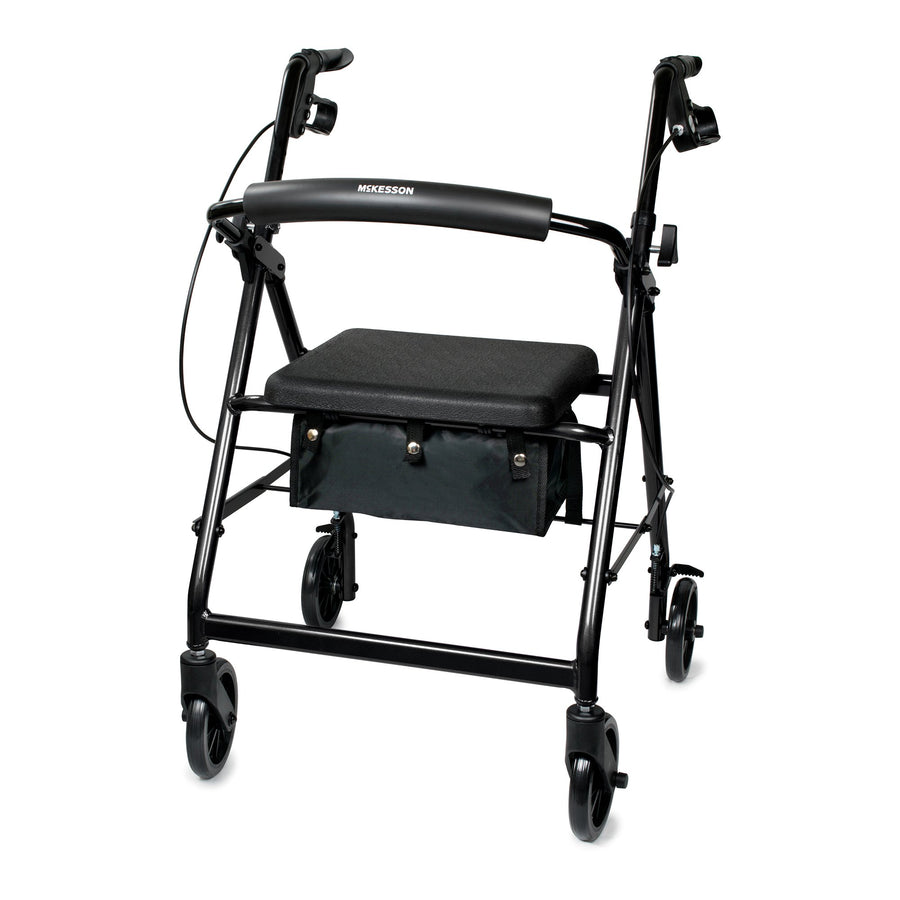
What Is a Drive Rollator Walker?
A Drive rollator walker is a lightweight mobility device equipped with:
Four wheels for smooth movement
Hand brakes for better control
A padded seat for resting
A storage pouch/basket for personal items
Compared to a traditional walker, it allows a more natural gait, reduces strain, and offers greater independence.
1. Adjusting Your Drive Rollator Walker for Proper Fit
Correct adjustment is the foundation of safe use.
Set the Correct Handle Height
Improper handle height can cause back strain or poor posture.
Stand upright with your arms relaxed at your sides.
The handles should line up with the crease of your wrist.
When you grip the handles, your elbows should bend comfortably at 15–20 degrees.
Check the Brakes
Before using the rollator:
Squeeze the hand brakes to ensure they engage smoothly.
Test the parking brake by pushing the handles downward until they lock.
Secure Accessories
Ensure the seat, basket, and any added accessories are stable and locked in place.
2. How to Walk Safely With a Drive Rollator Walker
Walking with a rollator is simple, but technique matters.
Maintain Good Posture
Stand tall; avoid leaning on the walker.
Keep your eyes forward (not down at your feet).
Keep the rollator close to your body—about an arm’s length.
Push, Don’t Lift
Unlike a standard walker, a rollator is designed to roll forward.
Gently push it in front of you.
Take natural steps toward it without rushing.
Use the Brakes Smartly
Squeeze the brakes lightly when going downhill or approaching a curb.
Fully lock the brakes whenever you stop for more than a few seconds.
3. Sitting Down Safely on Your Rollator Walker
This is one area where accidents commonly happen, so proper form is key.
Step-by-Step Method
Turn around until your back is facing the seat.
Lock the brakes completely.
Keep both hands on the handles.
Slowly sit down by lowering yourself straight onto the seat.
Never try to sit while the rollator is still moving or unlocked.
4. Standing Up From the Rollator Seat
To prevent tipping or loss of balance:
Lock the brakes first.
Scoot forward to the edge of the seat.
Place both feet firmly on the ground.
Push up using the armrests or handles—not the seat.
Only start walking once you’re fully balanced.
5. Using Your Drive Rollator Walker Outdoors
Rollators are excellent for outdoor use, but caution is still important.
Pay Attention to Terrain
Avoid loose gravel, steep slopes, or uneven sidewalks.
Slow down on inclines.
Never use the rollator as a substitute for support when stepping off curbs.
Plan Ahead
Keeping items in the basket or pouch helps maintain both hands on the handles, improving control.
6. Common Mistakes to Avoid
Leaning too far forward – causes instability.
Using unlocked brakes while sitting – can lead to falls.
Walking too fast downhill – always control speed with brake pressure.
Overloading the basket – can affect balance and maneuverability.
Using the rollator as a wheelchair – rollators are not designed to support movement while seated.

7. Maintenance Tips for Maximum Safety

A little routine care goes a long way.
Inspect the Wheels
Check for wobbling, wear, or difficulty rolling.
Test the Brakes Regularly
Cables can loosen over time—tighten as needed.
Clean the Frame
Dirt buildup can interfere with folding and wheel movement.
Tighten Screws and Bolts
A quick monthly check ensures long-term reliability.
Conclusion
A drive rollator walker can dramatically improve independence, comfort, and confidence—but only when used correctly. With proper setup, safe walking habits, mindful braking, and regular maintenance, it becomes a powerful partner in everyday mobility.
For quality mobility solutions trusted by families and caregivers, Grandcare Medical proudly supports users in finding the right equipment for a safer, more independent lifestyle.


Comments
Post a Comment